INGREDIENTS AND COOKING METHODS
Young bamboo is highly recommended, as it has the moisture needed to cook and flavour the rice better. To produce the original lemang, the main requirement is that there is a certain species of bamboo to be used, namely the Schizostachyum zollingeri Steud. This type of bamboo is not easily obtained, it is only found in limited areas, but is commonly found in Batak Land. This type of bamboo plant grows wildly in various places and is rarely cultivated because its benefits are very limited. Lemang bamboo has longer segments and thinner skin which causes it to have a wider cavity.
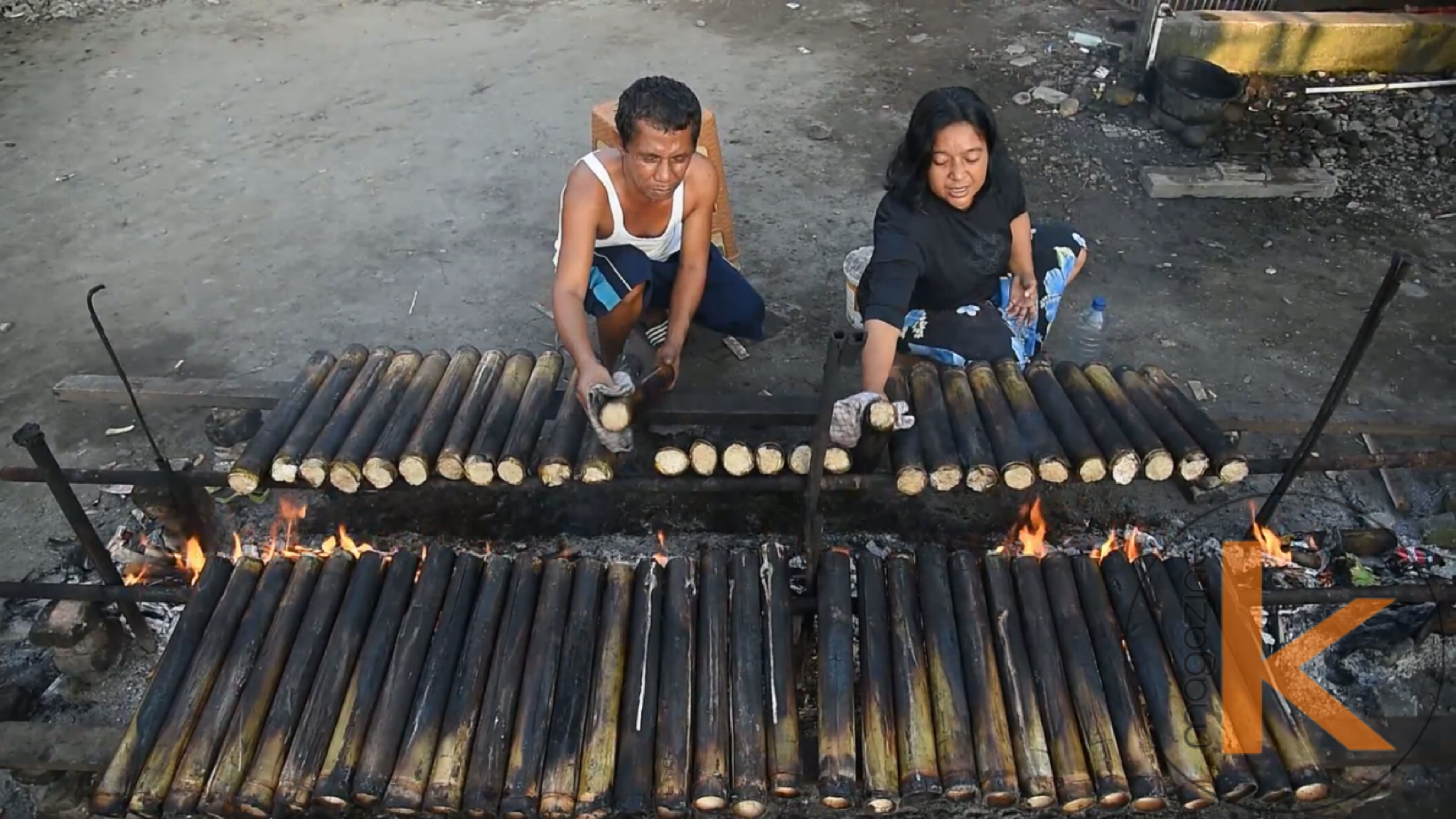
First, the rice is soaked together with pandan (or screwpine leaves). Meanwhile, the inner part of the bamboo tubes is coated with banana leaves to prevent the rice from sticking to the bamboo. Inside the bamboo is poured rice and coconut milk that has been salted as wanted. Then the bamboo tubes are placed onto a slanted position next to a small fire or hot charcoal with the opening facing upwards.
The bamboo should be rotated regularly to ensure the rice in the bamboo is cooked evenly. Observing what Arman does, when the tip (head) looks ripe, the bamboo is moved from its slanted position to a horizontal position, so that the stem parts can now burn completely.
 The original Lemang is soft at the top and at the bottom. The best part of the original lemang (pulen) is in the middle of the bamboo segment. Fake lemang is easy to identify since the rice at all parts of the bamboo segments (bottom, middle and top) is cooked evenly and the texture is almost uniform at all parts. This fake lemang technique is done by first cooking the glutinous rice in a separate cooking pot, and the cooked lemang is then wrapped in rolled banana leaves that have been smoked previously before putting them into the bamboo cavities. The lemang is then roasted lightly.
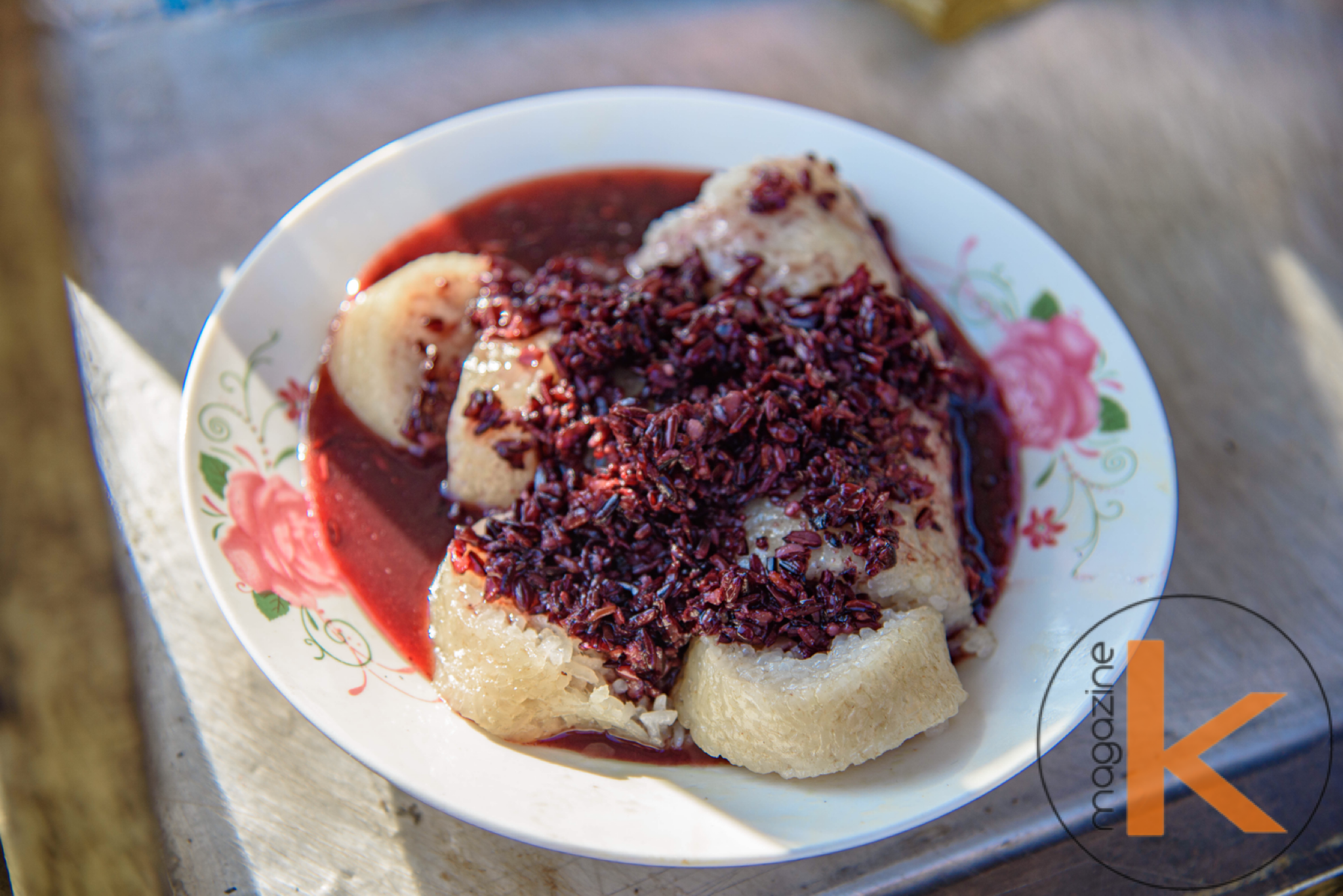
Lemang is currently found in several countries and a number of areas in Indonesia. Over time, the types of rice being used vary, sometimes local rice such as white rice, brown rice, black rice, or sticky rice, sometimes imported rice such as Thai sticky rice.
PRESENT TIME
Uniquely, even though it comes from the Minangkabau area, the city of Tebing Tinggi in North Sumatra is called the City of Lemang. This nickname refers to the number of lemang sellers in this city. Initially, Minang ethnic residents who migrated to Tebing Tinggi opened a culinary business of lemang around 1947. The most famous Lemang is Lemang Batok, it is called in such a way because it is burned not using charcoal, but coconut shells.
Lemang industry in Tebing Tinggi is quite developed because the production takes place every day. Interestingly, consumers of lemang do not live in Tebing Tinggi nor its surroundings. Because the City of Tebing Tinggi is a city through which Medan-Tapanuli traffic passes, consumers are mostly travelers from outside the city.
Writer: Elsa Malona